


Wellbeing, Wellness & Workplace
The blog below was written way before the current Covid19 crisis. It is not that the information is not valuable anymore, but if you require advice for the current (May 2020) situation, we would advice you to check the folowing:
Wellness is now BIG business! It moves you one step closer to a new, and better you - a you that drinks green juices and rids your body of all lingering toxins, a you that enrolls into spin classes before 6 am and has more energy as a result, a you that plugs into head space every evening to calm the mind before your 8 hours of sleep.
For the past month at Amos Beech, wellness has been at the forefront within the office. By being provided with a conscious checklist, we've become more self-aware of our actions and routines within our lifestyle and how it affects us in the workplace.
Wellbeing & Wellness in the Workplace
Here are a few insights and examples that you can try to integrate into your workplace to get the Work/Life balance back on track:

Outside, Inside
Since our blog about Biophilia within the workplace, in 2017. We've all seen workplaces flourishing everywhere. But how about having greenery with a purpose? At Takahashi Hiroko, based in a former factory in Tokyo, redesigned by schemata includes an indoor garden with edible plants.
Fresh Foods
With your office-grown ingredients to hand, having healthy food options will fuel your employees and keep their cravings for sweet and fatty foods away. Even as simple as sharing good food at a decent table will work wonders for your firms' staff morale and community feel.
Workout While Working
Many Japanese corporations understood early on the importance of exercise for their employees. It grew out of their philosophy of kaizen, or “continual improvement.” They appreciated that a workout could make their employees healthier and more productive, therefore began to schedule exercise programs during work hours.
We suggest dedicating a bit of space to being 'multi-use' area, where a variety of exercise classes and wellness workshops could take place. Consider offering something different from the standard yoga, perhaps something that also encourages teamwork. But if space is limited, try getting your employer to take a step in the right direction by contributing towards a gym membership or cycle to work scheme.

Personalised Technology
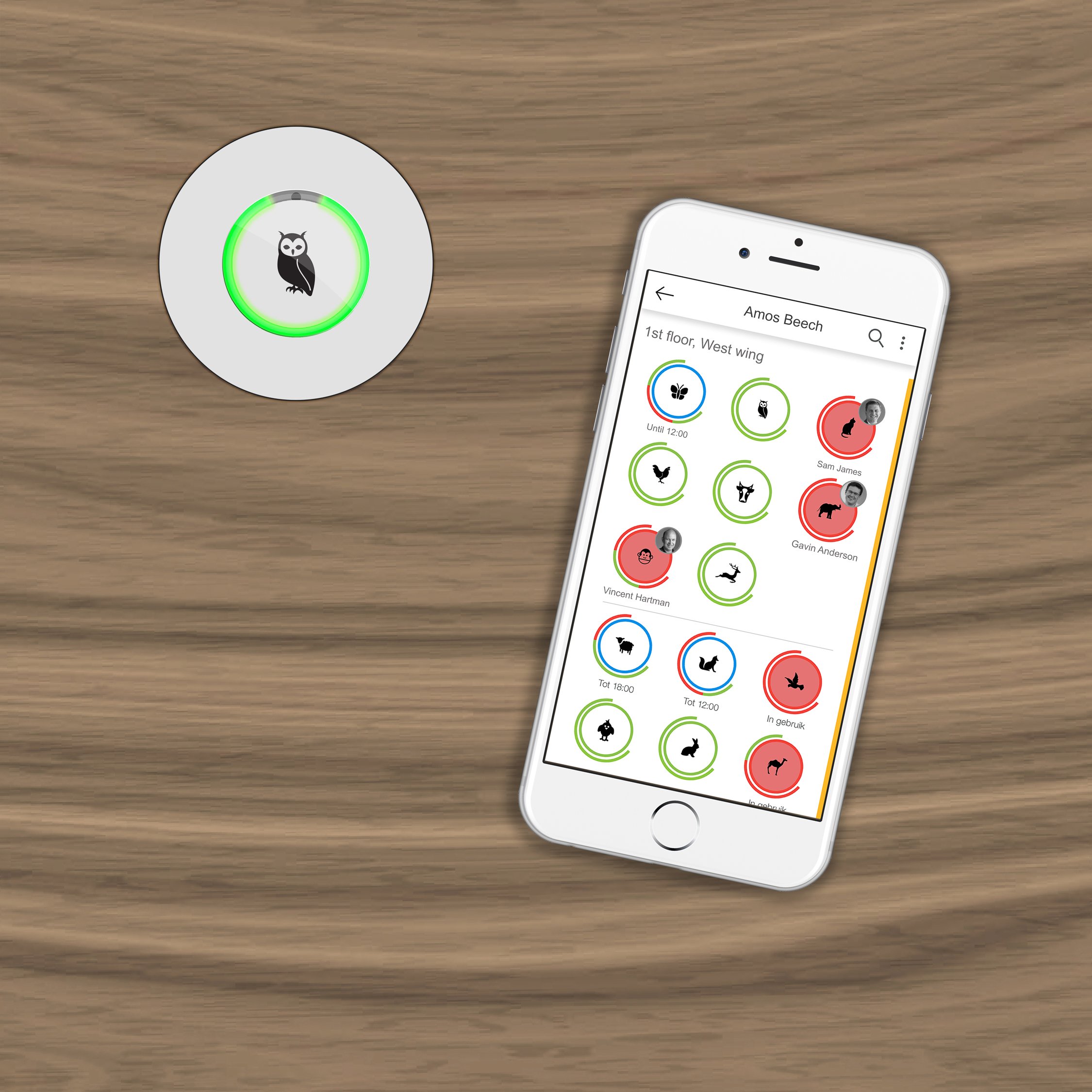
In other news, Scotland's first development has been accredited with a Platinum WiredScore Certification at 177 Bothwell Street, Glasgow, to assure future occupiers with the best connectivity. We've seen more products beginning to appear that allow employees control over their surroundings, but also products that understand and adapt to the needs of the employees throughout the day.
Philips has installed a system of LED lights in an office in Prague that fluctuate to the circadian rhythms of employees from morning through to night. This ideal is reminiscent of the Endless House, a conceptual work of architecture by Frederick Kiesler in 1924; “endless like the human body—there is no beginning and no end to it.” In the future, we will see smart buildings understanding the needs and wants of the inhabitants and adapting seamlessly.
Healthy Workstations
Until that point, we've seen a rise in technology being incorporated into furniture items keeping employees staying connected with air-charging and USB points. These small details make life just that little bit easier on the most stressful of days. Even by giving employees a choice with their desking, implementing sit-stand desking is more comfortable and healthier for the body.
Art for All
The Sculptor Nick Hornby past artist-in-residence was in an unlikely location - the London headquarters of law firm Pinsent Masons. He brought lawyers to his studio and curated his artwork around the office.
The art can play a part in the culture of the workplace, representing a set of shared attitudes, values, goals and practices. As well as being thought-provoking and sparking discussions with other staff members.

A Daily Pause
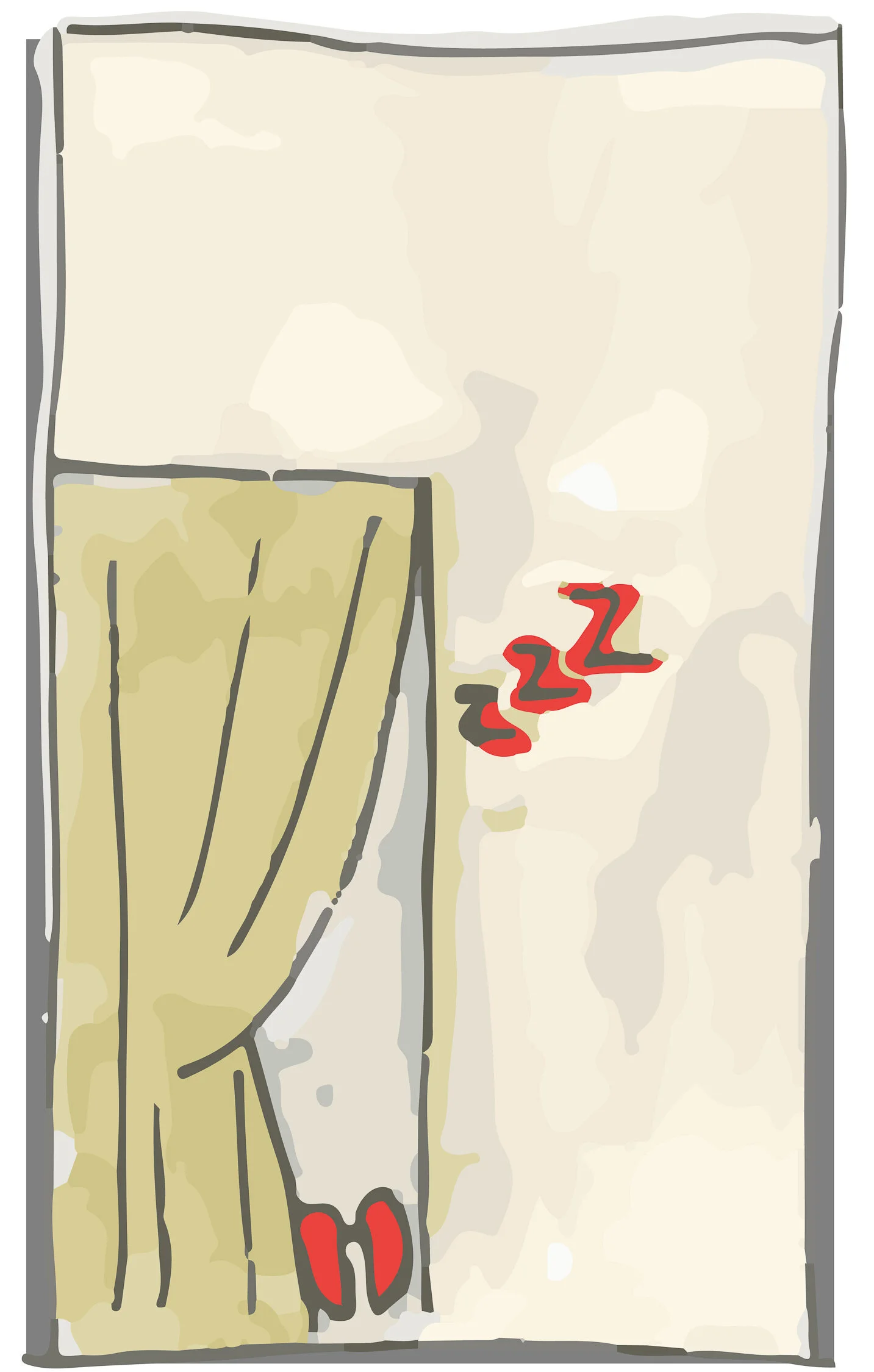
In Kiev, the Grammarly Office has a dedicated nap room that includes three sleeping blocks, with a weight sensor under the mattress that sends a signal to light with the indication of zZZ letters outside. The power of sleep and quiet reflection is becoming more commonly recognised as valuable, great opportunity to allow your mind and body to relax.
Happy Holidays
And we all know that a holiday is the best occasion to really relax and rebalance oneself. How about providing your employees with a 'wellbeing day' or have their birthday off on top of the standard holiday allowance to show your appreciation. Or go the extra mile, like FormRoom they are proud to offer a one month (fully paid) sabbatical for every 3 years your stay with their team. They reiterate the value of 'Let the company you work for, lift you up and push you forward; not drag you down or hold you back.'
Do you want to read more about how to improve your workplace? Check:
Blog and graphics by: Design Team
Publication date: August 14th, 2019
















Biophilia within the workplace
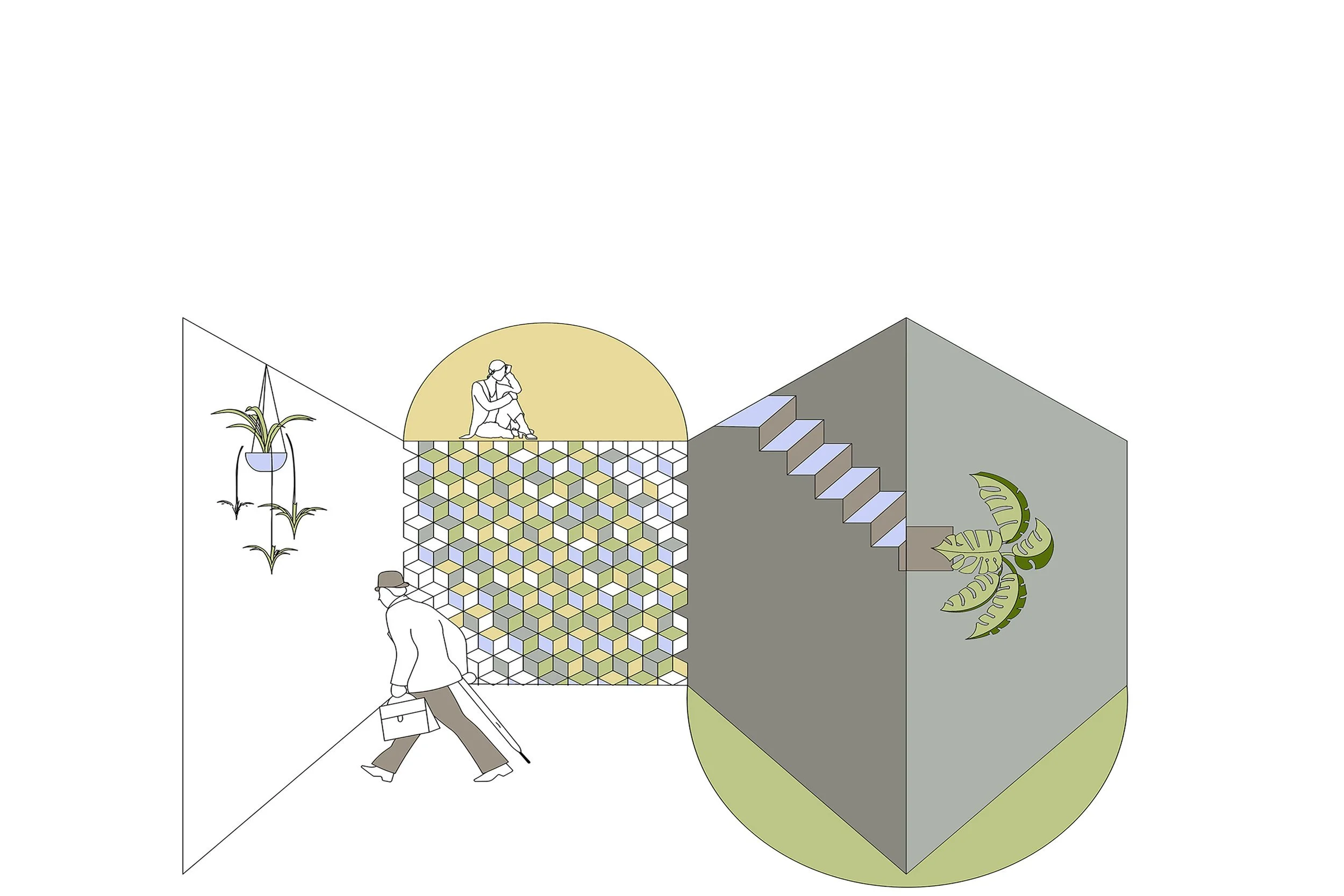
The resurgence of the theory of biophilia and, more recently, biophilic design is more relevant than ever. We, as humans, have a deep-rooted attraction towards nature; and only in the last century has it become possible for people on mass to trap themselves in concrete jungles. One location, in particular, that has associations of estranging humans away from nature is the workplace. Consequently, within the commercial workplace setting, we are now experiencing a catalyst of hazy borders between the outdoors and indoors.
Biophilia within the workplace
Bringing the outdoors indoor isn’t a new development; the Chinese have been growing plants indoors as a symbol of wealth from as early as 1,000 B.C. Even in the UK during the Victorian Era the creation of glasshouse, due to the industrial revolution, allowed explorers to flourish exotic plants that they brought back home from their travels. However glasshouses were only obtainable for the social elite, for most householders biophilia was achieved through wallpapers that portrayed botany inspired patterns. These wallpapers became the most important element to interior decoration in a residential setting at that time.
These hazy borders between the outdoor and indoor have a distinct correlation with the borders between residential and commercial environments. This highlights the loss of singularisation of spaces in our contemporary society, instead with the domination of use value to embrace a fluid approach. Subsequently, as we nomadically roam, there is a constant yearning to feel connected to the surrounding landscapes, as it will support our fluid experiences, ensuring that a constant feeling of comfort is maintained.
A situational value is put on the consumption of space, with transitional spaces adding emphasis to the flexibility. It has been said that being geographically mobile will be a defining feature of the new elite; workplaces interiors will surpass the norm of commercialism through the deconstruction of convention, to allow the surrounding environment to envelop a lifestyle that is sprinkled with essences of home and the outdoors. This design approach highly values environmental empowerment that is directly linked to psychological comfort.
Biophilic design
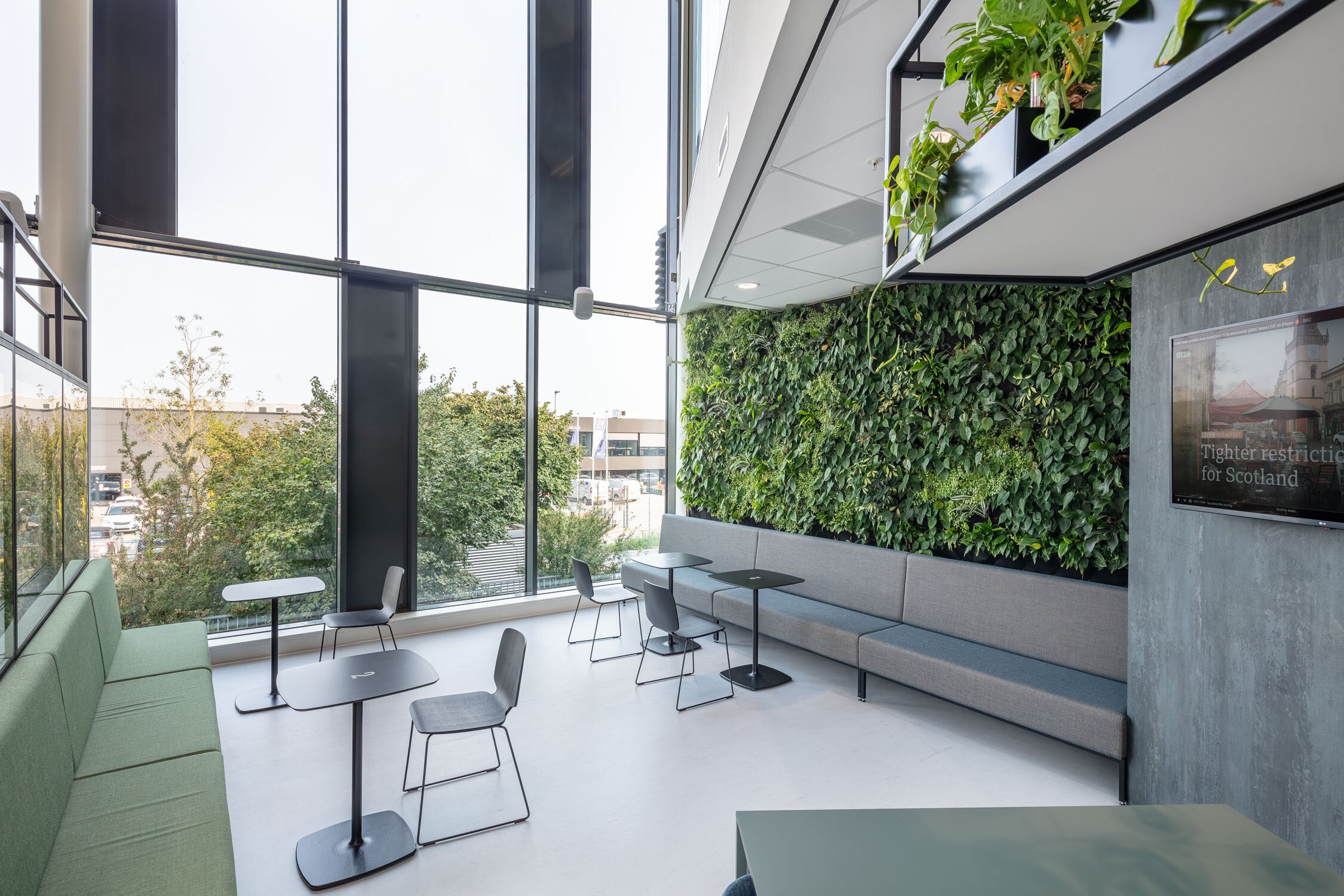
The most direct experience of nature in a built environment would be to have vegetation and flowering plants in the workplace. A study at Cardiff University stated the placement of living plants in a workplace setting improved productivity by 15%. The presence of plants is also known to reduce stress, enrich physical health and improve comfort. Additionally, the notion of comfort has many indirect experiences with nature to achieve biophilia, such as simulating natural light and air; they must be appropriate to each setting to help ensure functional wellbeing at work. By balancing environmental demands with skills and abilities, of employees on how they use their workplace, will create the optimal environment for creativity and flow.

To visually portray nature would be to simulate and construct out from the natural patina of materials such as leather, stone, copper, bronze and wood; that provokes positive visual and tactile responses. The choice of materiality, colours, naturalistic shapes and forms must be carefully considered to achieve biophilia and enable the fluidity within the lifestyles and movements of the modern man. For instance, an interior that appears light and airy may have translucent facades that open up for ventilation and movement, consenting to visual internal transparency. This dematerialisation projects to employees a focus on accessibility rather than ownership and possession.
As more workplaces are adopting agile working and open office configuration, it can be translated to creating internal transparencies across once traditional organisation to drive collaboration, integration and foster a sense of belonging. This is appropriation of an experience of space and places namely, mobility and way finding, as employee’s comfort and wellbeing is dependent on free movement. It can be achieved with stairs and ramps carefully integrated with platforms, seating and plans, allowing employees to flow through effortlessly.

Prevalently, in more recent times there has been a shift of attention to sustainability and the environment. There has been more demands for products to be sustainable, many manufactures have been developing different techniques to up-cycle materials. Biophilic design must have ethical value that cares for the sustainability of nature and must commit to maintaining a healthy relationship.
Biophilic design, within the workplace, is about creating wholesome habitats for employees, those that are istigkeit to natural forces. The istigkeit of biophilia isn’t superficial; it has many tangible layers and levels to evoke similar feelings one gains from the earth. Especially as management style are moving away from autocratic, towards an inclusive and collective approach. It is evident that this design methodology has enriched workplaces to increase productivity and boost overall moral; by incorporating biophilia in to a design scheme is less seen as a luxury and more of a commodity to improve employee wellbeing.
Text and images: Design Team
Publication date: August 22, 2017
Business Disruption – Moving or Refurbishing Offices is every MD’s nightmare
Note: this blog was written way before the pandemic, but probably even more actual today!
Should I Move or Refurbish My Current Office?
Tough question, right?
Moving to a new office entails a lot of stress. You need to find the right real estate agency to help you find the right property. Then you need to negotiate and decorate. Plus, should you keep some or all of your existing furniture? Should you buy everything new?
Refurbishing isn’t that easy, either. The main challenge is that you have to keep operations going, stay productive and minimise business disruption. All this while you also supervise a project that can take weeks or months.
Can you really find out what’s the best alternative on your own? Can you factor in all the business hours lost in both cases, along with the investment? And, more importantly, how do you know for sure that you’ve outgrown your current office space?
At Amos Beech, we have consulted dozens of companies that were ready to spend a lot because they thought they needed a bigger space. Our research and expertise revealed that all they needed was to get more out of their current one.
Yes, a skilled team of designers and office refurbishing experts can help you save a lot on office real estate by ‘simply’ re-arranging the furniture in your office.
But that’s not always the case. Sometimes you really need to move. The same team of expert designers and contractors can help you turn your new office into a space that every single employee loves.
A blog by Roy James:
Moving a business is not easy, there are so many things to think about, so much to do, along with minimising the disruption to your organisation, so its little wonder that moving or refurbishing offices is often low on the agenda until the last minute. That brings about its pressures as you realise too late that you may have to make a rushed decision.
Moving or refurbishing offices?
Refurbishing an existing office is almost harder. Although there is less to arrange, in one sense, there is the added complication of trying to maintain the services and revenue of your company yet expect it to bear with the disruption which potentially can run from weeks to months.
Edinburgh Park, Scotland’s premier business park
Even when you have made the decision of whether to move or refurbish, where do you start? Where did that decision come from? Was it rushed or an informed, logical decision based on robust consideration and challenged against the strategic growth plans of the company?
This is clearly outside your comfort zone. You want the best for your company – minimal disruption and continuity for your customer but along with it you need to deliver on company goals and maintain value to shareholders.
Let’s explore this scenario. Your lease is up for renewal - you obviously have two options - do you stay or do you move? And, as we all know, there are pros and cons to moving or refurbishing offices. The question is, how can I make an informed decision?
One way to do it
Who should you ask? Or is it my decision? Should I know what to do?
Yes, there are consultants out there that would advise and give well informed advice but it doesn’t end there. They are often from a big, even global company and before you know it you are in the maze of consultancy that is both expensive and protracted as you engage with just about every consultant under the sun.
Maxim Office Park Lanarkshire, between Glasgow and Edinburgh designed by Glasgow architect Keppie Design
Don’t get me wrong, you will end up with first class advice but I have two arguments - it will be both expensive, and quite frankly, take months which as I started with, it is time you often don’t have.
But is there really another way?
Actually, there is, it’s based on trust and comes from a sector of the market you least expect.
Before I start, though, let’s talk about trust as it’s one of the most valuable and effective attributes in business. In scenarios such as this it’s pretty crucial. For this to work we need to engage with someone who is wanting to help you and trust is a two-way street.
This sector is quite unique, often labelled as office furniture suppliers or fit out companies but actually quite different.
And, yes, just like any other company, they are looking to create revenue and grow profits but you are talking to the right person one time here!
Okay, that sounds hackneyed and I apologise but it’s true, just please let me explain.
So, let’s briefly (if I can) expand this scenario out a little further.
Your lease is expiring and you need to make a decision on what to do. You realise this is not a decision you can make without being informed so you go to a reputable consultancy firm or architect practice in Glasgow or Edinburgh who, for a fee, help you evaluate the space you have, the growth plans of the company, the vision and strategic plan and come back with a suggestion of what they feel is what you need to do. But that’s it, they suggest for you to move, they have suggested how much space you need to achieve your growth plans and now… now what?
From here you are often now on a journey with this consultancy as they offer to find you space. They even offer to manage the whole project for you (what a relief!) and go down a merry passage of contracting interior designers, electrical engineers, mechanical and ventilation consultants, quantity surveyors and project managers as they create the perfect solution for you (oh and they take a cut of everything that happens).
Moving or refurbishing offices, is there another way?
But there’s just a few points they missed.
You are now pretty alienated from the process; all these consultants are designing something that they want to be proud of (and rightly so) but that tends to drift away from any budget you may have had. You end up with a Rolls Royce design and, although you have fallen in love with it, you just can’t really justify the expenditure, and more than this to get this far the process has cost you a lot of money!
So here you are with a project over-budget, with a re-look only going to cost more money and time and this is the point that if you hadn’t already been disillusioned by this whole process you are now.
I could go on. Say you even get on site, you have a consultancy pulling together different trades to realise the project, they have ever so cleverly gone to tender to get you the `best price’ but the disconnection carries on site. The electricians fit the floor boxes, the furniture company fit the desking, and, lo and behold, they weren’t communicating with each other during the final design and half of it doesn’t match up creating more delays and potential cost.
The other way
As I said, it’s a different approach and it’s a single, unified one to all of the above. These companies come in and work with CEO’s and MD’s to evaluate the needs of the business. They have no ulterior motive as to whether you move or stay, they aren’t looking for a cut on any third party consultancy, they just have a great understanding of what is important to business.
So you go through the same process of answering the questions about moving or refurbishing offices, but in a completely different way. Yes you will need to engage with a property agent to find a property but you are looking for one based on a decision made by someone who has no interest in property letting. Going on from that they are not just trying to provide a solution, they are working to a budget, have in-house capabilities that do not require expensive third party input and, most importantly, are keeping you engaged and close to the decision whilst co-ordinating all the different phases of the project.
Maxim Office Park Glasgow, state of the art architectural design
On site, being the client, connection is much closer, things happen so much quicker, changes you may need to make don’t need to through a long process, (and believe me it is long) it goes direct, costs a lot less and contractors are working to a common goal rather than just focusing on their own scope of works.
So where is the catch?
There is none, but as I said it’s based on trust. These companies invest a lot of time up-front helping companies make informed decisions and often it’s not until a lease is signed, when they have done months of work, that they get a return. For them it’s a worthwhile investment, for the client it is good value as they get what they need, when they need, with direct input whenever they like and a partner that is only interested in delivering something fit for purpose.
The hard bit is when corporate say `we need to go to tender’ as often they say that at the point when these companies have invested heavily in the project, especially as they don’t say that when they are using a paid consultancy as they know they are getting competitive comparative quotes from them . It feels good value but all you are actually getting is a protracted, expensive solution that can be scarily detached from the original CEO’s vision. Please everyone let us understand and embrace the speed of trust.
I know blogs are meant to be informative, unbiased (not long – please forgive me) and not `selling’ but sorry, I can’t say all this and not tell you where to go, I’m too obsessed, too passionate and believe in ourselves to this extent (and I’m only writing this as it was an in-house competition) but you need to talk to Amos Beech.
Contact me or one of my colleagues via:
This was a blog by Roy James
Amos Beech ran an internal blog competition. The above article, written by Roy James, won the category for being ‘website worthy’. Roy was the Operations Director at the time (see video below) and he is known for being a man of few words. Consequentially, we were all very impressed with his 1300 word blog! He has made his point very well.
Date of first publication: December 8th, 2018

For more info about some of the fit out and refurbishment projects that we have done click on the button below: